ZIDA Journal
How to cost a living room design in Abuja.
The method we teach, applied to a typical Abuja living room.

The most common question clients ask a designer is "how much will it cost?" The honest answer depends on the room, the finish level and where items come from. What you can control is the method. This is the method we teach in our Budgeting and Costing module, applied to a typical Abuja living room.
Step 1Measure and brief before you price
Measure the room, windows, doors and ceiling height, and note sockets and light points. Agree the brief with the client: who uses the room, how often they entertain, and what must stay. Pricing before measuring is the fastest way to a wrong budget.

Step 2List every item
Write a schedule with one line per item: sofa, accent chairs, coffee and side tables, TV unit or console, rug, curtains and blinds, lighting, wall finish, art and accessories. Add the work items too: painting, ceiling, electrical points, installation and transport.
Step 3Split the budget before you shop
Decide how the money will be shared before falling in love with one item. A useful starting split:
| Part of the room | Share of budget |
|---|---|
| Seating (sofa and chairs) | 30 to 35% |
| Curtains, blinds and rug | 15 to 20% |
| Storage and TV unit | 10 to 15% |
| Lighting | 8 to 10% |
| Tables | 8 to 10% |
| Art and accessories | 5 to 8% |
| Labour, installation and transport | 5 to 10% |
| Contingency | 10% |
Adjust it to the brief. A family that lives in the living room spends more on seating; a client who entertains often may spend more on lighting.
Step 4Get real quotes, not internet prices
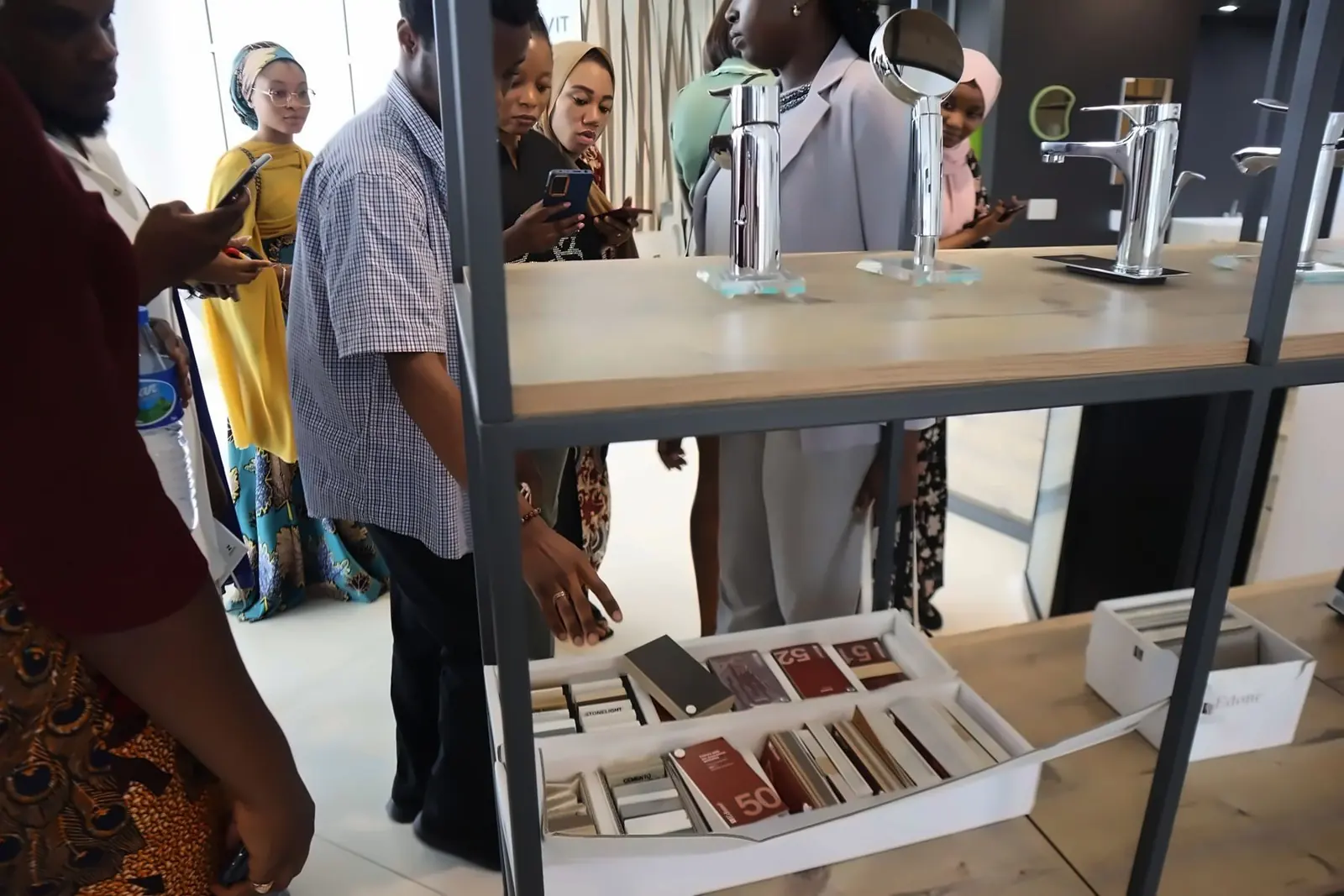
Get at least two quotes for each major item from local suppliers and artisans, with the date on each quote. Prices in Nigeria move with the exchange rate, so a quote older than a few weeks needs checking before you present it.
Step 5Plan for Abuja conditions
- Imported items: allow for longer lead times and price changes between quote and payment.
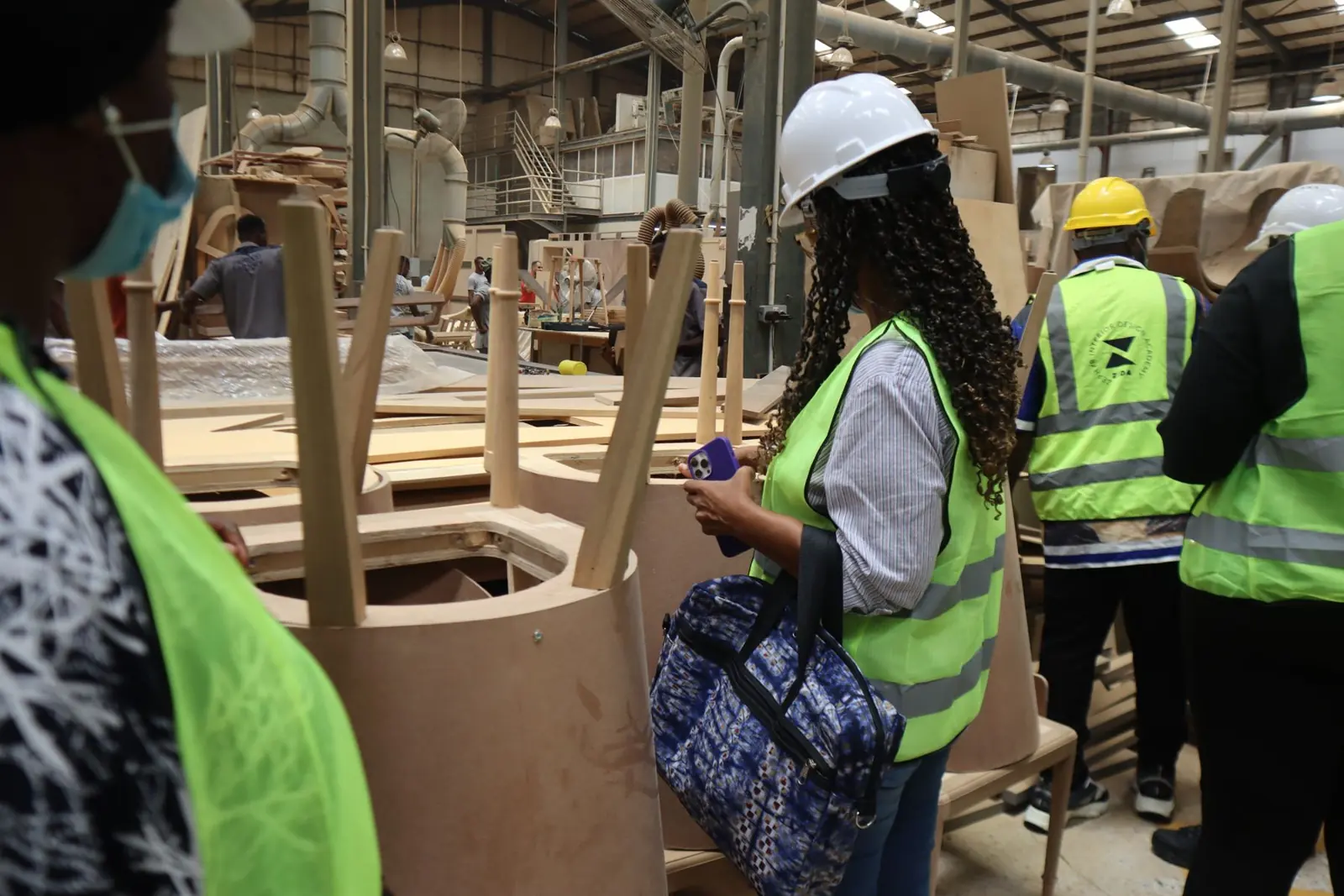
- Custom joinery: local carpenters can build TV units and consoles to size, often at better value than imported pieces. Ask for a drawing and finish sample before paying.
- Harmattan dust: choose fabrics that are easy to clean and rugs that can be beaten or washed.
- Power: choose LED fittings, and plan which lights stay on when the inverter is running.
Step 6Present the budget clearly
Give the client one costed schedule with item, supplier, unit cost, quantity, total, lead time and quote date, plus your design fee shown separately. A clear schedule builds trust and protects you when prices change.
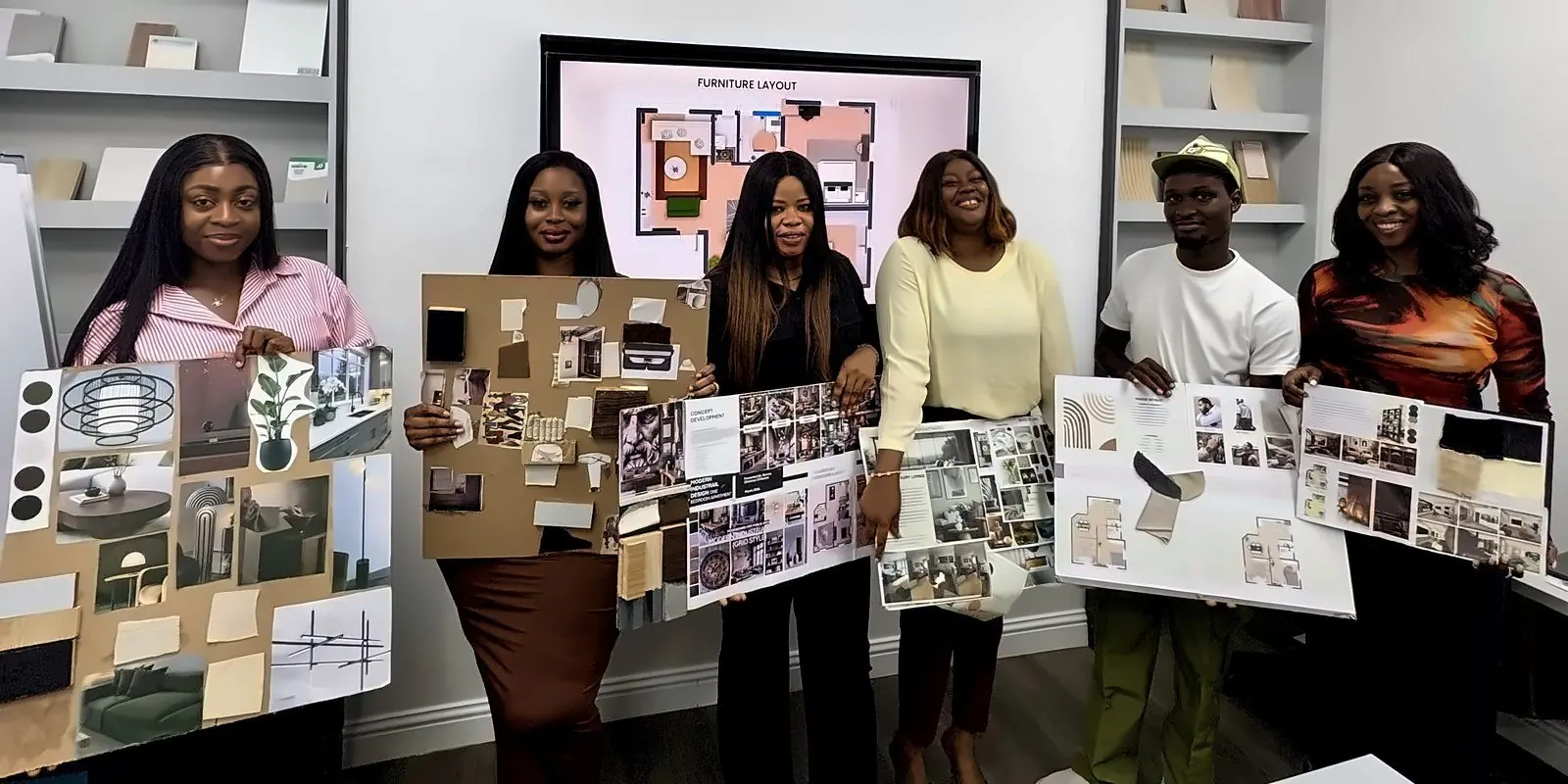
StudentsThis costed schedule is one of the documents you prepare for your studio projects at ZIDA, so you leave knowing how to price real work.
Study at ZIDA
Learn it properly, from week one.
ZIDA teaches interior design and decoration in Abuja, Port Harcourt and online, with studio projects, site visits, software labs and industry placements.
More from the Journal
All articles Guide · 21 November 2026
Interior design vs interior decoration in Nigeria
What each one involves, what clients receive, and which course fits your goal.
 Guide · 21 November 2026
10 questions to ask before you pay an interior design school
Accreditation you can verify, practical training, placements and the real cost: what to ask any school before you pay.